The Rewatch Loop Is Not a Hobby — It's a Coping Mechanism We've All Agreed to Ignore

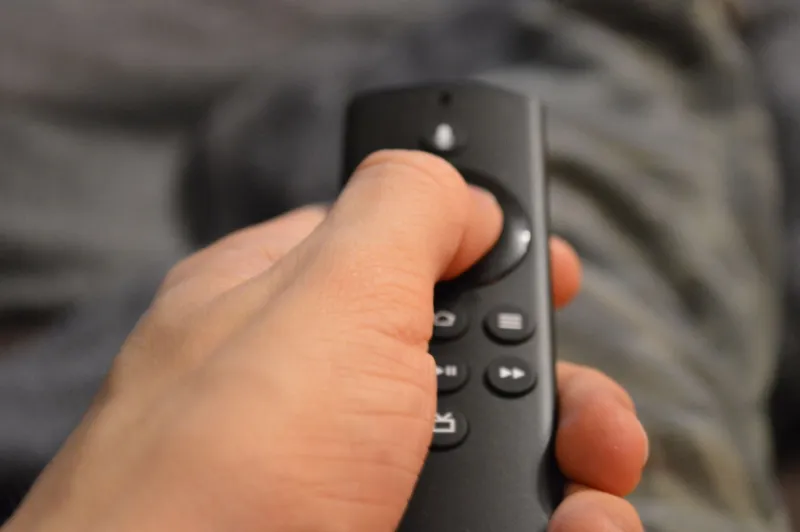
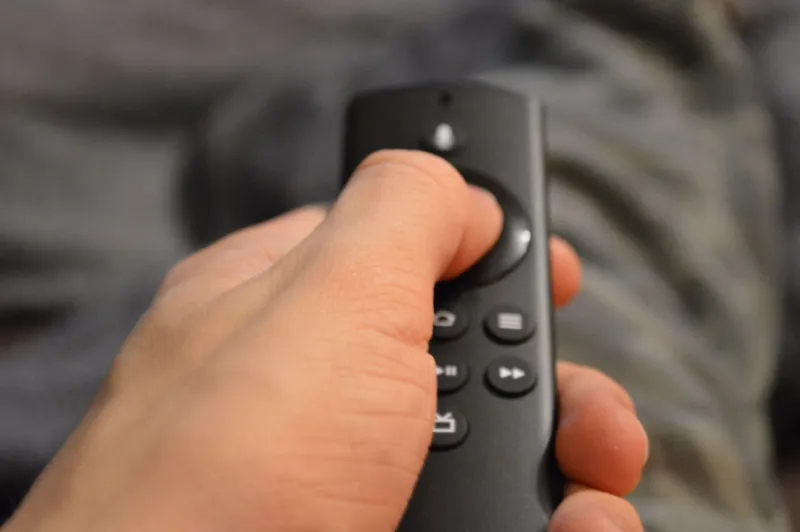
The Remote Is Not a Remote Anymore
There's a specific kind of evening that probably sounds familiar. You've had a long day. Maybe it was genuinely rough, maybe it was just relentlessly mediocre. You sit down, open your streaming app of choice, spend about four minutes scrolling through hundreds of options, and then — almost without deciding to — you put on The Office again. Or Friends. Or Parks and Rec. Or whichever show has lived in your personal rotation for the last five years.
You've seen every episode. You know every punchline. You're not even really watching. And somehow that's exactly the point.
This isn't a niche behavior. This is a massive, documented, industry-acknowledged pattern that touches tens of millions of people — and we've somehow collectively decided to treat it like a fun personality quirk instead of what it actually is: emotional self-medication with a screen.
What Comfort-Watching Actually Is
Let's be honest about the mechanics here. When you rewatch a familiar show, your brain isn't engaging with storytelling. It's doing something much closer to what it does when you listen to a playlist you've had on shuffle since 2018. The content becomes ambient. Predictable. Safe.
Psychologists have a term for this — parasocial comfort — and while the research is still evolving, the basic idea is straightforward. Familiar fictional environments and characters trigger a low-level sense of social presence. Your nervous system registers something like company. The anxiety that was sitting in your chest when you came home from work gets a little quieter. Not solved. Just quieted.
That's not inherently bad. Everyone needs to decompress. The problem is when decompression becomes the only gear you have. When you're not choosing The Office because you're in the mood for it — you're choosing it because you genuinely cannot tolerate the uncertainty of starting something new. That's a different thing entirely.
The Industry Figured This Out Before You Did
Here's where it gets a little uncomfortable. Streaming platforms aren't passive bystanders in this pattern. They built infrastructure around it.
Autoplay is the obvious one. The next episode starts before you've made a conscious decision to keep watching. But it goes deeper than that. Recommendation algorithms are specifically tuned to surface content that resembles what you already watch, not content that challenges or expands your taste. The entire UX of major platforms is designed to reduce friction — and reducing friction means making it easier to stay in your comfort zone than to leave it.
Netflix, Hulu, Max — they all know that a subscriber who rewatches the same three shows indefinitely is a retained subscriber. Churn is the enemy. Comfort is the product. You staying in your loop is not a side effect of how these services work. It's a business outcome they've optimized for.
That's not a conspiracy. It's just capitalism doing what capitalism does. But it's worth naming clearly.
The Five-Show Rotation and What It Costs You
Most heavy comfort-watchers can name their rotation without thinking. There's usually a workplace comedy, something from the early 2000s with a nostalgic pull, maybe a procedural that doesn't require emotional investment, and one prestige drama they tell people they're "rewatching for the details."
The rotation feels harmless because each individual rewatch session is harmless. But zoom out and look at what that pattern displaces over a year. How many genuinely new shows did you actually give a real shot? How many films did you sit with that pushed you somewhere uncomfortable? How much of your entertainment time was spent in genuine discovery versus familiar repetition?
For a lot of people, the honest answer is: not much. And that's a loss — not a moral failure, but a real creative and emotional cost. Stories are one of the primary ways humans process experience and build empathy. When you opt out of new stories in favor of recycled comfort, you're not just missing out on entertainment. You're avoiding the specific kind of engagement that makes entertainment actually worth something.
Why We Don't Talk About It
Part of the reason this conversation doesn't happen much is that comfort-watching has been successfully branded as relatable and wholesome. "I'm just rewatching Schitt's Creek for the fifth time, no notes." That's a tweet that gets likes. Nobody's going to argue with it.
But the framing matters. Calling it a comfort watch makes it sound like a deliberate, self-aware choice — a small luxury you're allowing yourself. In reality, for a significant chunk of people, it's not a choice at all. It's a default. And defaults are different from choices.
We're also not great, culturally, at talking about passive emotional avoidance. We'll talk about doomscrolling now. We've gotten better at naming phone addiction. But the TV rewatch loop sits in a weird middle space where it feels too mundane to be a problem and too normalized to critique without sounding like you're ruining someone's evening.
This Isn't About Guilt
To be clear — this isn't a piece about shaming anyone for their viewing habits. If you genuinely love rewatching Frasier and it brings you real joy, that's a completely legitimate use of your time. Entertainment is allowed to be low-stakes.
The distinction worth drawing is between intentional comfort and reflexive numbing. One is a choice you're making. The other is something happening to you while you hold a remote.
The question worth sitting with isn't "should I stop rewatching things" — it's "am I actually watching, or am I just running out the clock on a hard day?" Because those are different activities, even when they look identical from the outside.
What Good Entertainment Actually Asks of You
Stuff worth watching — really worth watching — asks something from you. It might be attention, or emotional openness, or just the willingness to sit with uncertainty for a little while. A new show might be great or it might be a waste of two hours. That risk is part of the deal.
The comfort loop eliminates that risk entirely. And in doing so, it also eliminates the upside. You already know how The Office ends. You already know you like it. There's nothing left to discover.
The shows that actually stay with you — the ones you still think about years later — almost never came from your rotation. They came from a night when you took a chance on something unfamiliar and it landed.
That's still possible. It just requires turning off the autoplay and making an actual choice.
Which, honestly, is harder than it sounds.