Built to Disappear: How Modern Entertainment Engineers Its Own Forgettability
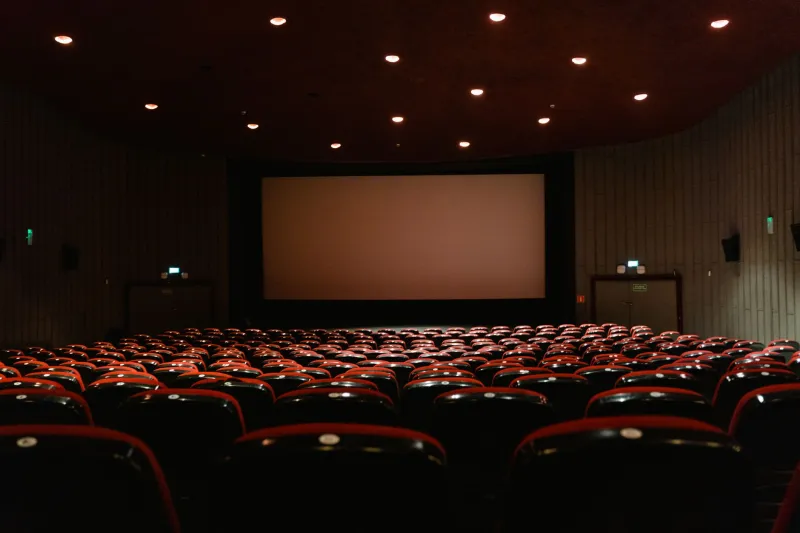
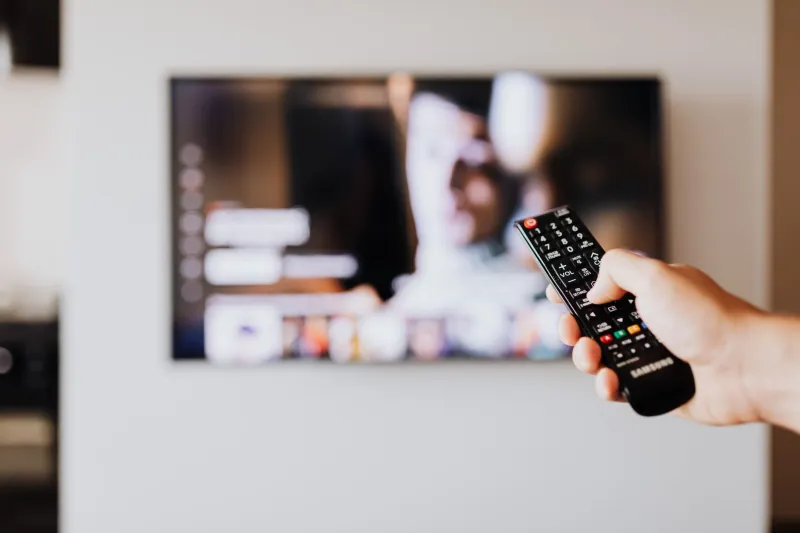
There's a specific kind of emptiness that hits right after a binge. You've just spent six, eight, maybe ten hours inside someone's story. The finale ends. The credits roll. And then — nothing. Not the good kind of nothing, either. Not the quiet that comes after something genuinely moves you. This is the hollow kind. The kind where you're already scrolling before the end card finishes loading.
That feeling isn't an accident. It's the product.
The Machine Isn't Built for Meaning — It's Built for Throughput
Streaming platforms are, at their core, logistics operations. Content goes in, eyeballs come out, subscription fees get renewed. The goal was never to make you feel something lasting — it was to keep you from canceling. Those two things used to overlap more than they do now. Somewhere along the way, they quietly diverged.
When a platform drops an entire season at once, it's not doing you a favor. It's removing the one thing that actually creates cultural staying power: time. The gap between episodes — the week you spent arguing with your coworker about what that ending meant, the Reddit thread you fell into at midnight, the offhand theory your sister texted you on a Tuesday — that friction is the memory. Take it away and you've turned a story into a transaction.
And transactions don't linger.
Pacing That Leaves No Room to Breathe
Watch something from the late '90s or early 2000s and notice how often the camera just... holds. A character sits with something. A scene resolves and then there's a beat — actual silence, actual stillness — before the next thing begins. That space isn't dead air. It's where meaning gets made.
Now queue up almost anything released in the last three years and count how long any single moment is allowed to exist before the edit cuts away. The pacing in modern content has become almost pathologically afraid of reflection. Every scene is engineered to pull you forward, never sideways or inward. The result is entertainment that functions more like a treadmill than a journey — you're always moving, you never actually go anywhere.
This isn't just a stylistic shift. It's a structural one. When stories don't give you room to sit with what just happened, your brain doesn't process them the same way. You consume, you move on, you forget. Rinse. Repeat.
Marketing That Buries the Last Thing to Sell You the Next One
Here's something worth noticing: the moment a major release drops, the marketing apparatus pivots almost immediately to whatever's next. The trailer for the next season. The announcement of the spinoff. The algorithm-fed recommendation queue that loads before the credits even finish.
There's no pause built in for this thing to breathe, let alone matter. Studios and platforms treat their own content as competition for your attention — each new thing is actively trying to push the last thing out of your head, because the last thing already got your subscription renewal. Its job is done. It's yesterday's product.
Compare that to how The Sopranos finale played out in 2007. People were genuinely angry, genuinely confused, genuinely obsessed — for years. Not because HBO engineered a cliffhanger, but because the story demanded something from you and then refused to let you off the hook. That conversation is still happening. You know people who will bring it up at a dinner party in 2025 without any irony whatsoever.
When was the last time something released in the last two years generated that kind of sustained, unscheduled conversation?
The Stuff That Sticks Does Something Different
This isn't a nostalgia argument. There are shows releasing right now that will be talked about a decade from now — but they tend to share a few qualities that run counter to the dominant production logic.
They trust silence. They let characters be wrong and don't rush to correct it. They end episodes in ways that feel genuinely unresolved, not as a cliffhanger mechanic but as an honest reflection of how life actually works. They're not afraid to lose you for twenty minutes if it means earning something real.
Slow Horses does this. The Bear did it in its first season before the discourse got complicated. Reservation Dogs did it almost every single episode. None of these are accidental — they're the result of creative choices that actively resist the pull toward frictionless consumption.
The thing those shows have in common isn't prestige or budget. It's that they were made by people who cared more about the story landing than about you immediately starting the next episode.
What This Costs Audiences (And Creators)
If you're someone who actually cares about storytelling — and if you're reading this, you probably are — the engineered forgettability of modern entertainment isn't just annoying. It's a kind of slow erosion.
When most of what you consume is designed to disappear, your tolerance for things that demand more of you starts to shrink. You start reaching for the fast thing because the slow thing feels like work. That's not a character flaw. That's conditioning. The industry spent years training audiences to expect instant payoff, and now it acts surprised when those same audiences struggle to sit with anything challenging.
For creators, the math is brutal in a different way. You can spend three years pouring something real into a project, and the platform will give it a two-week marketing window before pivoting to the next drop. The algorithm doesn't reward depth. It rewards novelty and volume. Which means the incentive structure is actively hostile to the kind of work that actually lasts.
The Silence After the Credits Tells You Something
Pay attention to how you feel when something ends. Not the story's ending — your experience of it ending. Is there a quiet that settles in, the kind that means you're still inside it somehow? Or is it just... over, the way a podcast episode is over?
That distinction matters. The things that stay with you — the ones you quote years later, the ones that changed how you see something, the ones you recommend to people with a weird urgency — those aren't accidents of taste. They were made differently, with a different set of priorities than the content factory operates on.
You're not wrong to want more of that. And you're not being precious for noticing when something is designed to be forgotten before it's even finished.
The silence after the credits should mean something. It's worth asking why, more often than not lately, it doesn't.